


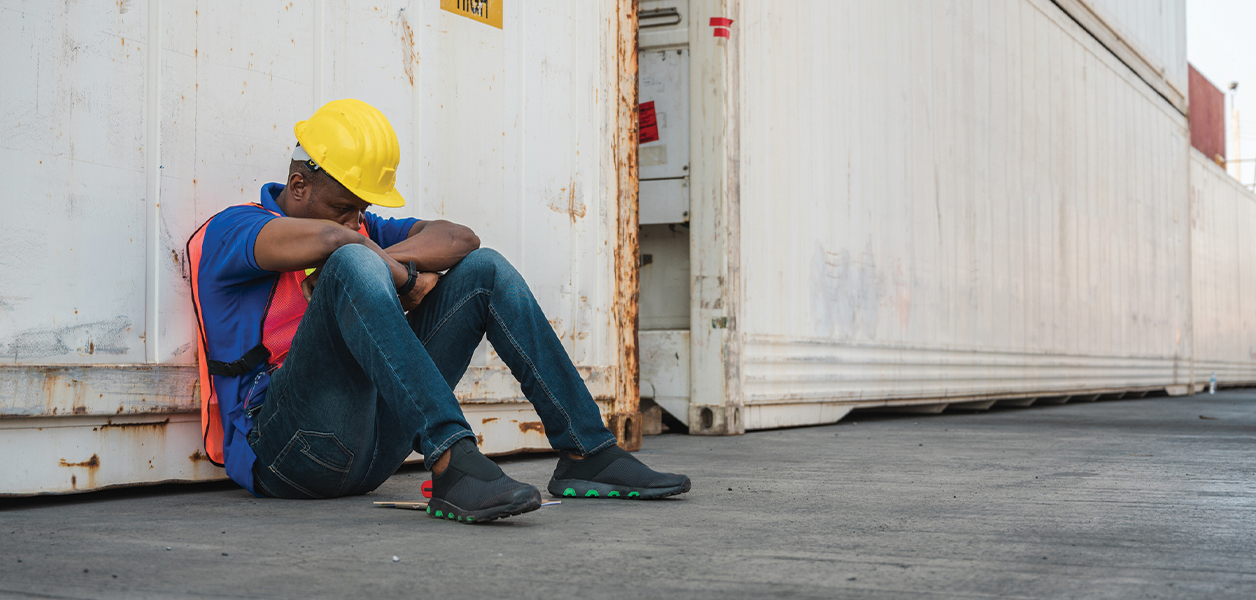
There is a procedure to follow when a serious incident or fatality occurs on a job site. But it is important the emotional effects of the incident for co-workers also are recognized and addressed, according to Safety+Health magazine.
“There’s a lot of shock and disbelief,” said Brian Bailey, director of safety at Tradepoint Atlantic, Edgemere, Md. “With some folks, they feel numb or they’re detached. A lot of times, folks don’t want to display the grief or sadness they’re actually feeling.”
Emily Haas, associate director for science in the National Institute for Occupational Safety and Health’s Division of Safety Research, said the situation may be more complicated for workers in high-risk industries because they are “used to functioning under pressure” and the emotional effects of an incident may not be immediately obvious. However, they may become distracted, exhausted or preoccupied, which can put their safety and the safety of others at risk.
Safety+Health magazine shares the following tips to help workers after a serious incident or fatality occurs.
- Supervisors, safety professionals and human resources should work together to look for changes in workers’ emotional or mental health after a serious incident. It especially is important to closely watch workers who directly witness an incident. Victor Sordillo, executive vice president of risk advisory services at Verist, said it may help to have a witness write down what they saw to “get it off their chest” and keep them from constantly thinking about it.
- Senior leadership should be present after an incident. Leaders can speak with employees one on one, offer rides home or time off, and provide opportunities for professional help. You also can bring in outside help, such as a police department’s trauma team. Bailey said: “If your senior leadership doesn’t immediately drop everything if they’re onsite and come there, that’s a problem.”
- Encourage workers to check in on each other. Employees work side by side daily and can relate to one another and their experiences. Bailey said: “It’s encouraging to see workers check in on each other, listen to one another and speak up when they think someone is struggling.”
- Be sure to leave the door open for ongoing conversations with workers. Not everyone reacts to a traumatic experience with the same timeline. Ensure workers know they can talk to you or another team member at any time after a serious incident—even if it is long after the incident occurred.